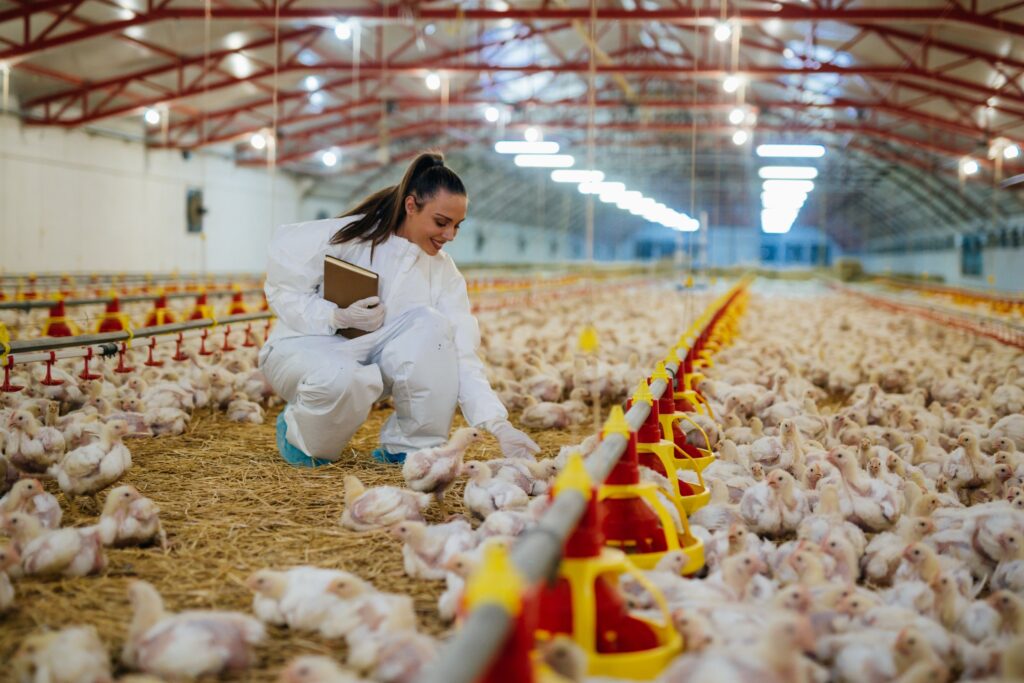
Proper care in poultry farming is crucial not only for the welfare of the chickens but also for the quality of the meat they produce. Ethical and sustainable practices in raising chickens can lead to healthier, more nutritious, and tastier meat. In this blog, we will delve into the various ways that proper poultry care impacts chicken meat and why it matters for consumers and producers alike.
1. Improved Health and Nutrition
Chickens raised in a healthy environment with adequate space, clean water, and nutritious feed are more likely to be healthy themselves. This health translates directly into the quality of the meat.
- Nutritional Content: Chickens that are well-fed with a balanced diet rich in grains, vitamins, and minerals tend to produce meat that is higher in essential nutrients such as protein, omega-3 fatty acids, and vitamins like B12 and D.
- Reduced Use of Antibiotics: Proper care reduces the need for antibiotics, which are often used to combat diseases in overcrowded and unsanitary conditions. Lower antibiotic use means less risk of antibiotic residues in the meat and contributes to the global effort to reduce antibiotic resistance.
2. Better Taste and Texture
The conditions in which chickens are raised can significantly affect the taste and texture of the meat.
- Stress Levels: Chickens that experience less stress during their lives tend to produce meat that is more tender and flavorful. Stress can cause the release of hormones that negatively affect meat quality.
- Exercise and Space: Chickens that have room to move and exercise develop better muscle tone, leading to firmer, more appealing meat. Free-range and pasture-raised chickens often exhibit these qualities.
3. Ethical Considerations
Consumers are increasingly concerned about the ethical treatment of animals. Proper care in poultry farming aligns with these values and can influence purchasing decisions.
- Humane Practices: Farms that adhere to humane practices, such as providing sufficient space, enrichment, and proper handling, are more likely to attract conscientious consumers.
- Transparency and Trust: Farms that practice and promote high standards of animal welfare often build stronger trust with consumers, leading to brand loyalty and higher demand for their products.
4. Environmental Impact
Sustainable poultry farming practices not only benefit the chickens but also the environment.
- Reduced Pollution: Proper waste management and the use of sustainable farming practices can minimize the environmental footprint of poultry farming. This includes reducing runoff and emissions that contribute to pollution.
- Resource Efficiency: Farms that use resources efficiently, such as feed and water, can produce chicken meat more sustainably, ensuring long-term viability and reducing the overall environmental impact.
5. Economic Benefits
Investing in proper care for poultry can also have significant economic advantages for farmers.
- Higher Quality Meat: Premium quality meat can command higher prices in the market, leading to better profitability for farmers.
- Reduced Mortality Rates: Healthier chickens mean lower mortality rates, which reduces losses and improves overall farm productivity.
- Market Demand: There is a growing market for ethically raised and high-quality chicken meat. Farmers who meet these demands can tap into a lucrative segment of the market.
Conclusion
Proper care in poultry farming is a win-win for everyone involved. For chickens, it means a better quality of life. For consumers, it means healthier, tastier, and more ethically produced meat. For the environment, it means more sustainable farming practices. And for farmers, it means economic benefits and a stronger, more trustworthy brand.
By prioritizing the well-being of chickens, farmers can produce superior chicken meat that meets the growing demand for quality and sustainability. Whether you are a consumer looking to make informed choices or a producer aiming to improve your practices, the benefits of proper poultry care are clear and far-reaching.